Signs Your Deck Needs to Be Restained
Noticing signs your deck needs to be restained helps homeowners protect and refresh their outdoor space, and local contractors can provide expert services to restore its appearance and durability.
If you’ve noticed your deck looking dull, faded, or showing signs of wear, it may be time to consider restaining. Property owners in the area often explore this topic to maintain the beauty and longevity of their outdoor spaces, especially as exposure to sun, rain, and foot traffic can take a toll over time. Recognizing early signs that your deck needs to be restained can help prevent more extensive damage and preserve its appearance. Whether it’s peeling, cracking, or discoloration, these indicators can signal that a fresh coat of stain from experienced local contractors could be the right solution.
Keeping your outdoor deck in top condition not only enhances curb appeal but also extends its lifespan. Many property owners turn to local service providers who specialize in deck restaining to address these issues effectively. These professionals understand how to restore the wood’s natural beauty while protecting it from future damage. As you read on, you’ll find practical tips to identify when your deck needs attention and learn how local experts can assist in bringing your outdoor space back to life with quality restaining services.
- Wood deck - fading or discoloration can indicate that the stain has worn away, and local contractors can assess whether restaining is needed to restore its appearance.
- Strong>Weathered deck - signs of peeling or flaking stain often suggest it’s time for a restain to protect the wood from further damage, with local service providers ready to help.
- Strong>Spots or uneven color - areas that appear blotchy or uneven may require restaining to achieve a consistent look, and local contractors can recommend the best approach.
- Strong>Water absorption - if water soaks into the wood instead of beading on the surface, it’s a sign that the existing stain has deteriorated, prompting local pros to consider restaining.
- Strong>Surface deterioration - cracks, splinters, or rough patches often indicate that the stain has failed, and local service providers can handle the restaining process to renew the deck.
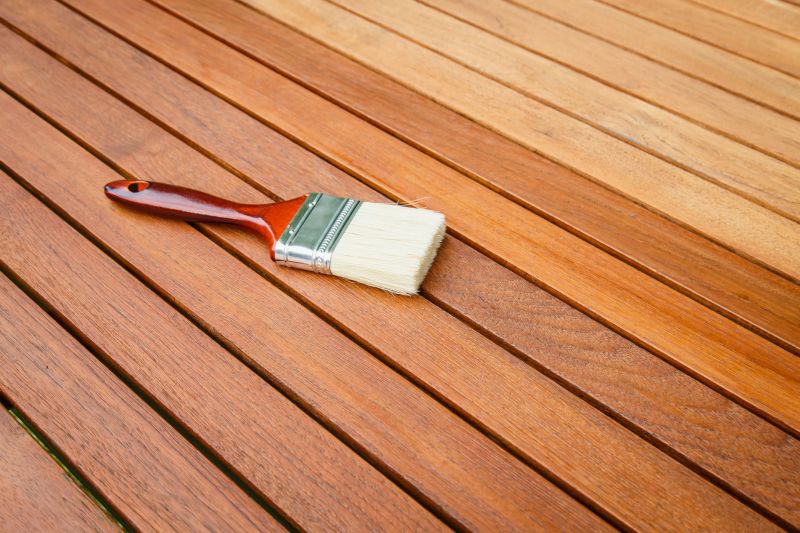

When homeowners search for signs their deck needs to be restained, they are typically looking for clear indicators that the existing finish is no longer providing adequate protection or aesthetic appeal. Over time, exposure to sunlight, rain, and fluctuating temperatures can cause the stain to fade, peel, or wear away. Recognizing these signs early can help prevent more extensive damage, such as wood rot or structural deterioration. Many property owners associate these issues with a deck that looks dull, discolored, or uneven, which signals that the current stain has lost its effectiveness. Understanding what to look for ensures that homeowners can maintain their decks in good condition and keep them safe for regular use.
This topic is often linked to plans for maintaining or upgrading outdoor living spaces, especially for those who want to extend the lifespan of their decks. Problems like peeling, cracking, or fading stain can diminish the visual appeal and compromise the wood’s protection against moisture and pests. Property owners with decks that see frequent use-such as those in residential backyards or multi-family complexes-may notice these issues more quickly. Additionally, homeowners considering a refresh or renovation project often explore signs that indicate whether a re-staining is necessary before investing in more extensive repairs. Identifying these signs helps determine the right timing for professional intervention, ensuring the deck remains both attractive and functional.
The types of properties that typically come up in discussions about deck restaining include single-family homes, multi-unit residential buildings, and even commercial properties with outdoor decks or patios. Residential properties often feature wood decks attached to houses or in backyard settings, where appearance and durability are priorities. Multi-family complexes may have shared decks that require regular upkeep to maintain uniformity and safety standards. Commercial properties, such as restaurants or event venues with outdoor seating, also rely on well-maintained decks to create inviting spaces. Regardless of property type, the common factor is the need for a professional assessment when signs of wear and tear become visible, ensuring the right restorative steps are taken.
Local service providers specializing in deck restaining are equipped to evaluate these signs and recommend appropriate solutions. They understand how different wood types and finishes respond over time and can identify subtle issues that may not be immediately obvious to homeowners. Whether the problem is minor fading or significant peeling, experienced contractors can provide the necessary preparation, staining, and sealing work to restore the deck’s appearance and protect its structure. Connecting with these professionals ensures that property owners receive tailored advice and quality craftsmanship, helping to extend the life of their decks while maintaining their visual appeal.
Fence staining projects - staining fences requires similar surface preparation and weather considerations as deck restaining, making it useful to compare services with local contractors experienced in wood finishing.
Wood siding restoration - restoring or staining wood siding involves assessing surface condition and applying protective finishes, skills that overlap with deck restaining techniques.
Outdoor furniture refinishing - refinishing or staining outdoor furniture shares the need for proper surface prep and application methods used in deck maintenance.
Patio furniture staining - applying stain or protective finishes to patio furniture involves similar tools and planning as deck restaining, making local service providers capable of handling both.
Porch flooring refinishing - refinishing porch flooring requires knowledge of wood surfaces and protective coatings comparable to those used in deck restaining projects.
Exterior wood surface prep - general exterior wood prep work, including cleaning and sanding, is foundational for many projects including deck restaining, and local pros often handle multiple types of wood finishing jobs.
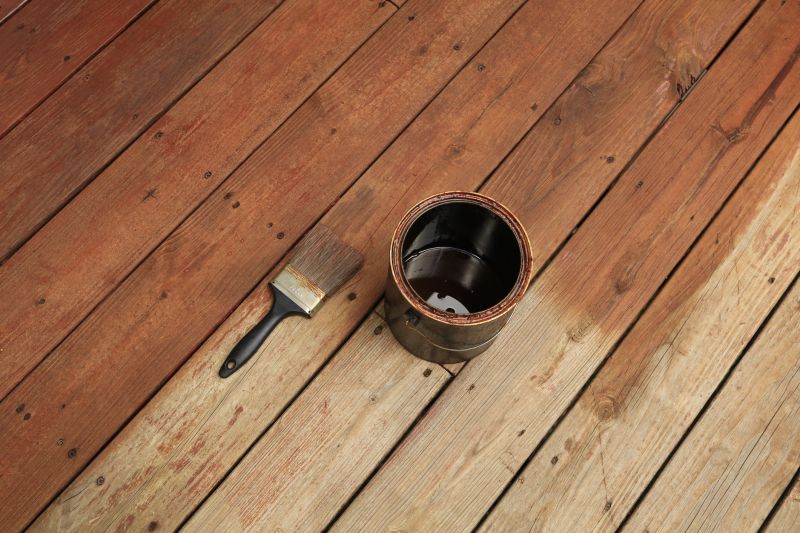
When evaluating potential service providers for deck restaining, it is important to consider their experience with similar projects. Homeowners should seek out contractors who have a proven track record of working on decks comparable in size, material, and condition to their own. A contractor’s familiarity with the specific requirements of deck restaining can help ensure that the job is completed efficiently and effectively, reducing the risk of issues such as uneven staining or inadequate surface preparation. Asking for examples of past work or references related to deck staining projects can provide insight into their expertise and the quality of their workmanship.
Clear, written expectations are essential when comparing local contractors for deck restaining services. Homeowners should look for providers who offer detailed descriptions of the scope of work, including surface preparation, staining methods, and the type of products used. Having these expectations documented helps prevent misunderstandings and ensures that both parties are aligned on the project’s goals. It is also beneficial to clarify the timeline and any warranties or guarantees offered, so that homeowners can make informed decisions based on the scope and scope of the work.
Reputable references and good communication are key factors in selecting a dependable service provider. Homeowners should seek out contractors who can provide references from previous clients, especially those who have had similar deck projects completed. Effective communication throughout the process allows for questions to be addressed promptly and concerns to be resolved early on. This transparency helps foster trust and confidence that the contractor will deliver quality results while maintaining a professional approach. When comparing service providers, prioritizing those with clear communication and positive references can contribute to a smoother, more satisfactory deck restaining experience.
Property owners often search for signs your deck needs to be restained when they are planning practical projects around their homes and businesses. Local pros provide Deck Restaining services for everyday jobs and straightforward project options.
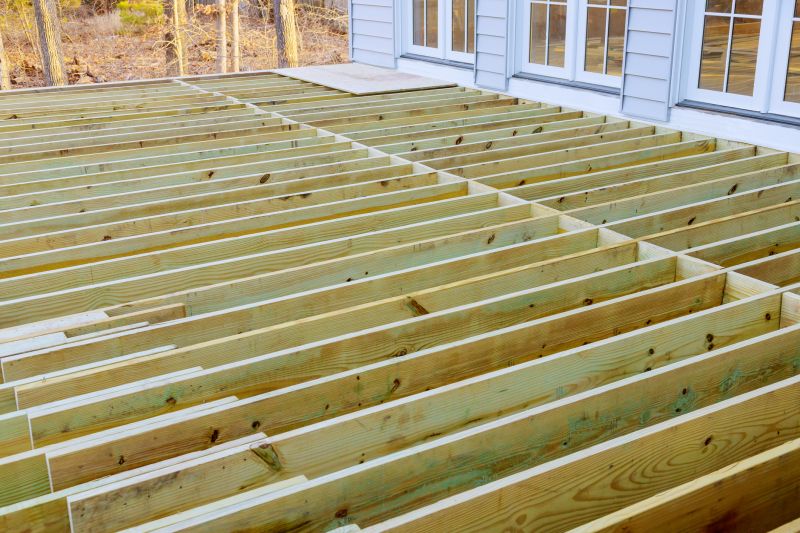
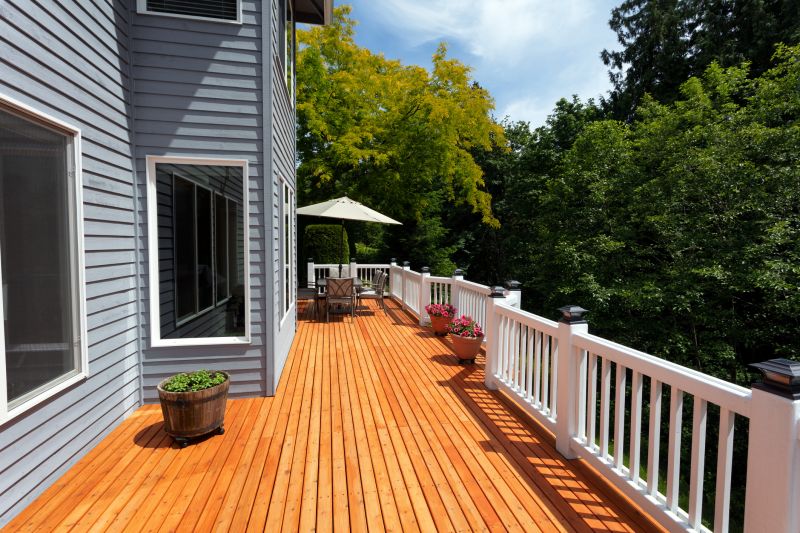
Over time, signs your deck needs to be restained become more noticeable, especially after harsh weather or seasonal changes. Fading color or a dull appearance can indicate that the stain has worn thin, leaving the wood vulnerable to damage. Cracks or peeling in the existing stain are also common indicators that the protective layer has deteriorated, which may lead to wood splinters or warping if not addressed. Homeowners in the area often notice these issues during routine outdoor maintenance or when preparing for gatherings, prompting them to seek out local contractors who specialize in deck restaining services.
Additionally, if water no longer beads on the surface or seems to soak into the wood quickly, it’s a clear sign that the stain’s protective qualities have diminished. Discoloration or dark spots can also appear, hinting at mold or mildew growth beneath the surface. These issues not only affect the deck’s appearance but can also compromise its structural integrity over time. Property owners looking to restore their deck’s look and durability typically turn to local service providers who can assess the condition of the stain and recommend professional restaining to bring back the deck’s original beauty and protection.
How can I tell if my deck’s stain is fading or peeling? Signs your deck needs to be restained include visible fading, peeling, or flaking of the current stain, which indicate the protective layer is deteriorating and a fresh coat from local contractors may be needed.
What are the warning signs of water damage on a stained deck? Water spots, discoloration, or areas where water no longer beads on the surface are signs your deck may require restaining to restore protection, and local pros can assess and address these issues.
When does the wood beneath the stain start to show through? If the wood grain or color becomes visible through the stain, it suggests the existing finish is worn out, and a restaining service from local contractors can help rejuvenate the deck’s appearance.
How do I know if my deck’s stain is no longer providing protection? Faded or uneven coloration, along with increased weathering or mold growth, are signs that the stain is no longer effective, and local service providers can restore its protective qualities.
Are there visual cues that indicate it’s time to restain a deck? Cracks, discoloration, or areas where the stain has lost adhesion are clear signs that a deck needs to be restained, which local contractors can handle to improve durability and appearance.
Faded or dull appearance - noticing your deck’s color has lost its vibrancy can indicate it’s time for a restain job with local contractors.
Peeling or flaking finish - signs of a deteriorating surface suggest that professional restaining can restore protection and appearance.
Water absorption or staining issues - if water soaks in easily or stains appear, local pros can apply a fresh stain to improve durability.
Visible cracks or splinters - damage like cracking or splintering often requires restaining combined with surface repairs by experienced service providers.
If you are thinking about signs your deck needs to be restained for a property, this guide is meant to help you understand this topic, the typical project types, and how different options might fit your plans.
When you are ready, you can use the quote form on this page to share a few details about your project. From there, local pros can review the basics and follow up with options that match what you have in mind.